


What is the function of the energy storage container?
Published Time:
2021/11/09
Energy storage containers, especially energy storage transport containers, play a vital role in the energy sector. The main functions of energy storage containers are as follows:
1. Power balancing and peak shaving/frequency regulation
Power balancing: In large power plants or long-distance transmission lines, energy storage containers are important facilities for power balancing. They can store electricity during periods of low demand and release it during peak demand, achieving balanced electricity utilization and optimizing power resource allocation.
Grid peak shaving and frequency regulation: Energy storage containers can quickly respond to changes in grid load, perform peak shaving, and improve grid stability and reliability. In addition, they can also participate in grid frequency regulation to ensure grid frequency stability.
2. Support for renewable energy generation systems
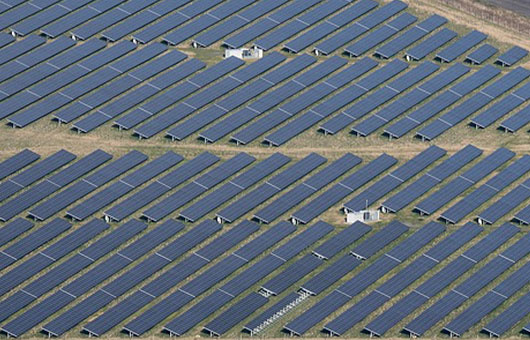
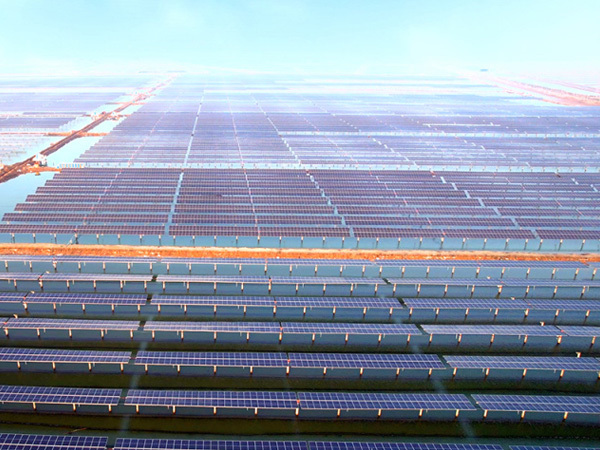
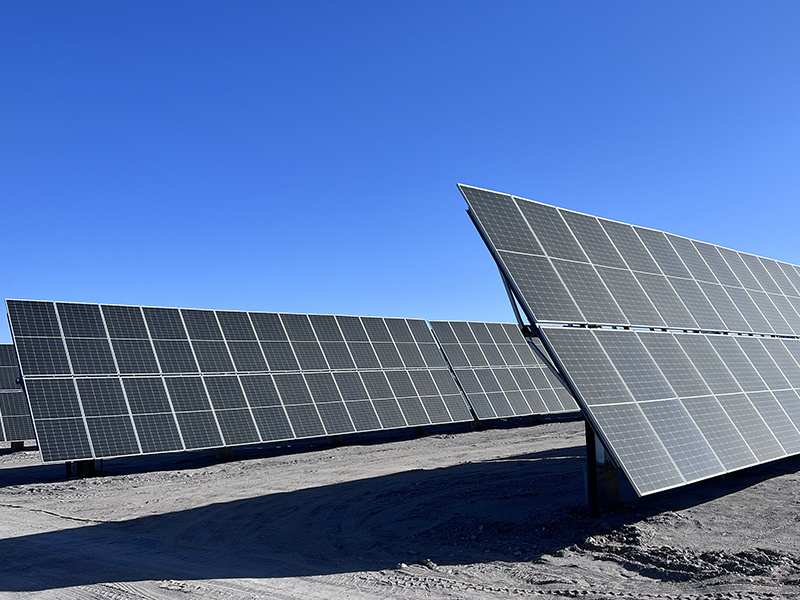
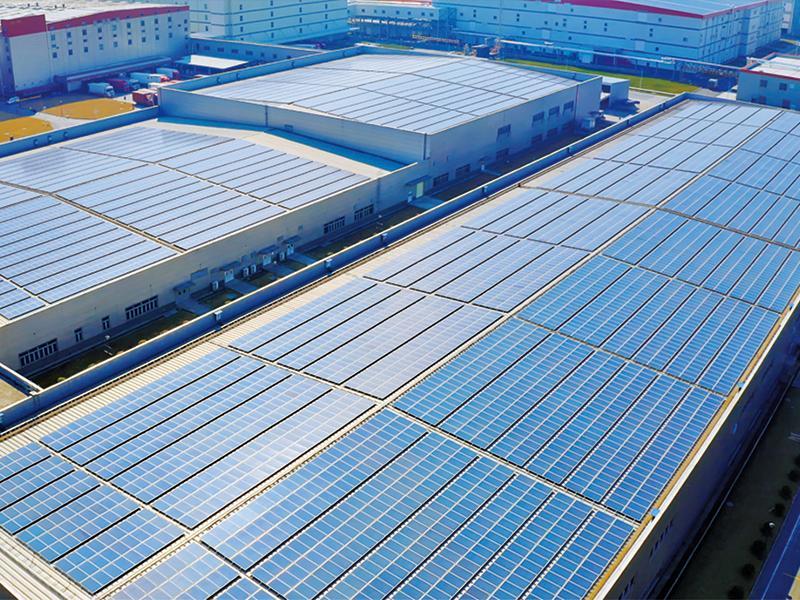
For renewable energy generation systems such as solar and wind power, energy storage containers are important energy storage devices. Because renewable energy generation is intermittent and unstable, energy storage containers can store this intermittent electricity and release it when needed, ensuring the continuity and stability of renewable energy systems.
3. Ensuring industrial power distribution systems and public power systems
Industrial power distribution systems: In industrial power distribution systems, energy storage containers serve as important energy storage devices, providing stable power support for industrial production.
Public power systems: In public power systems such as large commercial venues, entertainment venues, and public buildings, energy storage containers also play an important role. They can provide additional power support during peak demand periods to ensure the normal operation of public power systems.
4. Supporting renewable energy hydrogen production
In the process of renewable energy hydrogen production, storage, and release, energy storage containers are also indispensable facilities. They can store electricity generated from renewable energy and use it for water electrolysis to produce hydrogen, achieving efficient utilization of renewable energy.
5. Emergency power and temporary power supply
Emergency power: In emergencies such as power outages, energy storage containers can serve as emergency power sources, providing power to critical facilities or areas to ensure the normal operation of critical equipment.
Temporary power supply facilities: Energy storage containers can also serve as temporary power supply facilities, providing continuous power supply to hotels, vehicles, highways, railways, etc. Their importance is even more prominent during disasters or emergencies.
6. Convenient, reliable, and cost-effective
Convenience: Energy storage containers use a modular design, making them easy to assemble, disassemble, and transport, greatly improving the mobility and flexibility of the equipment.
Reliability: Energy storage containers have high stability and reliability, and can operate normally in various harsh environments, improving the durability and reliability of the equipment.
Economy: Energy storage containers have relatively low costs and low maintenance costs, effectively reducing the overall cost of the energy system.
Conclusion
In summary, energy storage containers play a vital role in power balancing, supporting renewable energy generation systems, ensuring industrial and public power systems, supporting renewable energy hydrogen production, emergency and temporary power supply, and convenience, reliability, and economic benefits. They represent an important direction for the future development of the energy industry and are of great significance in promoting the optimization and upgrading of the energy structure.